

Let’s Help Prepare you for YOUR Retirement:
No two retirements look the same - yours won't either. Below, you'll find a selection of articles written to help you put words to something you might not have realised needed articulating. Sometimes the hardest part isn't finding the answer; it's not knowing there was a question worth asking in the first place.
If you'd like a feel for how I think about retirement - or a sense of what working together might actually be like before you commit to a call - start with the blog. It's the closest thing to sitting in on a conversation with me.
Why high achievers can feel lost in retirement, part 4
In three previous blogs, we discussed issues that high achievers may face in retirement: Relevance Deprivation Syndrome and Identity. We then explored some possible solutions (links are below).
Now let us turn to emotions.
Why are emotions relevant to this discussion?
Because underneath any concerns about relevance or identity there are often emotions that intrude into thoughts and affect wellbeing. One of the most common is anxiety.
We all know what anxiety feels like. A simple example is waiting for medical results from your doctor. Most people experience some apprehension in that situation.
The same can happen in retirement.
Questions about identity or relevance can create emotions to do with uncertainty about the future. If those feelings persist, they deserve attention.
That is one reason people choose to engage a Retirement Coach.
If these ideas resonate with you, why not let me know about an emotion that is troubling you? Text me on 0409 116 766 and I will personally reply within 24 hours.
In this final article we have come full circle to Relevance Deprivation Syndrome. If you feel less valued than you once did, or if you are struggling to define your place in retired life, the emotions underneath can be powerful.
Recognising them is often the first step towards resolving them.
Dr Jon Glass
Retirement Specialist and Coach
Part 1:
https://www.64plus.com.au/blog/2026/6/1/why-high-achievers-can-feel-lost-in-retirement
Part 2:
https://www.64plus.com.au/blog/2026/6/8/why-high-achievers-can-feel-lost-in-retirement-part-2
Part 3:
https://www.64plus.com.au/blog/2026/6/17/why-high-achievers-can-feel-lost-in-retirement-part-3
Why high achievers can feel lost in retirement, part 3
In two previous blogs, we discussed issues that high achievers may face in retirement: Relevance Deprivation Syndrome and Identity (links are below).
Now it’s time to consider the practical implications.
When people look at you, what do they see?
Do they simply see a retired person? I doubt you want that.
Most high achievers spent many years building a professional identity. Their work gave them an identity with stories to tell. Then retirement arrives and that chapter closes.
The challenge is to create new stories.
Those stories shouldn’t be about what you achieved at work. It is about what you are building now.
Perhaps it could be:
• Volunteer work that gives something back to your community.
• A course that stretches your mind.
• New friendships and connections.
The specific activity matters less than the fact that it gives direction to your life with stories to tell.
Retirement is not simply the end of a career. It is an opportunity to develop a new identity.
If these ideas resonate with you, why not send me a brief question about retirement? Text me on 0409 116 766 and I will personally reply within 24 hours.
Dr Jon Glass
Retirement Specialist and Coach
Part 1:
https://www.64plus.com.au/blog/2026/6/1/why-high-achievers-can-feel-lost-in-retirement
Part 2:
https://www.64plus.com.au/blog/2026/6/8/why-high-achievers-can-feel-lost-in-retirement-part-2
How to make friends in retired life
An earlier blog highlighted the importance of social connections in retired life.
https://www.64plus.com.au/blog/2026/5/10/friendship-and-retirement
How hard is it to make new social connections?
In my experience, it’s easier than people think.
If this topic resonates with you, feel free to text me on 0409 116 766 with a question about retirement. I will reply within 24 hours.
So what is the secret to making new social connections?
I think it comes down to belonging.
That might mean joining a club, volunteering with an organisation or enrolling in a course. The important thing is to place yourself among people who share a common interest.
Why does this work?
Because you are entering an environment where many people are already open to conversation. Some may be looking for new friendships themselves. Others may simply enjoy talking about a shared interest.
All you need is a simple question or observation to get things started.
Once a conversation begins, it can take on a life of its own.
Don’t worry about using the perfect words to introduce yourself. The challenge is to put yourself in places where conversations can happen naturally.
And that begins with belonging.
Why high achievers can feel lost in retirement, part 2.
Why do people who are high achievers at work often struggle in retired life, perhaps feeling lost and aimless?
We looked at this in an earlier article (see the link below) where we cited Relevance Deprivation Syndrome. Relevance Deprivation Syndrome may explain part of the problem. But there is a deeper question.
It’s called Identity. Who are you now?
As a high achiever you spent decades building a professional identity. However, you become someone else in retirement and that’s because your identity has changed.
How can that be? Aren’t you still the same person you looked at in the mirror last year?
Well, yes and no. Physically yes, emotionally no.
If this topic resonates with you, why not send me a brief question about retirement (text me on 0409 116 766 or email me at jon@64plus.com.au) and I will personally reply within 24 hours.
As a high achiever, work may have been a critical part of your identity. You lived breathed and talked about it.
Once that part of your identity has been left behind then you have the task to re-define your identity. A future article will delve further.
Dr Jon Glass
Retirement Specialist and Coach
https://www.64plus.com.au/blog/2026/6/1/why-high-achievers-can-feel-lost-in-retirement
Why high achievers can feel lost in retirement
Sometimes people who achieve a great deal in their working life struggle unexpectedly in retirement. How could this be?
Part of the answer may lie in RDS: Relevance Deprivation Syndrome. This describes the uncomfortable feeling that you no longer feel important or influential.
RDS can affect many people in retirement, but high achievers may experience a particular variation of it.
Why?
Because many senior professional roles involve delegating tasks to other people. That’s natural.
Then retirement arrives.
Suddenly there is no support structure. You may now find yourself booking your own tickets and solving your own IT problems, just to mention two simple examples. Of course, retirement usually provides more time to deal with these matters. But that’s not the point.
The deeper issue is emotional, not practical. What you can miss is the feeling of once being important.
If this description fits you then don’t despair. Here are two remedies.
1. Throw yourself into activities that maintain your relevance: mentoring, volunteering, learning, to name a few;
OR
2. Dial it down and relinquish importance in order to discover a quieter sense of identity, beyond status and achievement.
It requires a deal of reflection to come up with YOUR answer.
If these ideas resonate with you, you are very welcome to text me on 0409 116 766 for a brief obligation-free conversation. It may help you to think things through.
Dr Jon Glass
Retirement Specialist and Coach
Trust: part 3
Trust and retirement part 3
This is the last of three short articles on the subject of trust.
You can read the earlier articles here:
Trust and retirement part 1
Trust and retirement part 2
We have all had the experience of someone enthusiastically recommending a book.
At that point a question often arises: should I trust their recommendation?
Part of the answer may depend on whether the person recommending the book really understands your tastes and temperament.
Someone may be intelligent and well-read, yet still recommend books that leave you completely cold. Another person may understand you so well that their recommendations almost always feel right.
That difference matters.
I think something similar can happen when people consider speaking to someone about retirement. Questions of identity, loneliness, uncertainty and purpose are deeply personal. Before opening up, people naturally want to feel understood as individuals by another person with strong emotional intelligence.
That is one reason trust often develops slowly.
Sometimes it begins through blogs, articles, videos or hearing someone speak. Over time a clearer sense emerges about whether the person might genuinely “get you”.
If these reflections resonate with you, you are very welcome to text me on 0409 116 766 for a brief obligation-free conversation.
Dr Jon Glass
Retirement Specialist and Coach
Trust:part 2
This is the second of three short articles on the subject of trust.
You can read the first article here:
Imagine you are looking for a restaurant in an unfamiliar part of town. What is your approach?
Perhaps like me you will search online and read reviews.
Why do this?
Because before we spend our time and money, we want some reassurance that the experience will be worthwhile. We want to feel that the place is genuine and likely to suit us.
Of course, reviews can only tell us so much. At some point we still need to walk through the door, sit down and experience the place for ourselves in order to be sure.
I think something similar often happens when people consider speaking to someone about retirement. Questions of identity, loneliness, purpose and uncertainty can feel deeply personal. Before opening up, people naturally want to feel some sense of trust and emotional safety.
That trust usually develops gradually.
Part of it may come from reading articles, watching videos or hearing the experiences of other people. But eventually there also needs to be a conversation and a human connection.
That seems entirely reasonable to me.
If these reflections resonate with you, you are very welcome to text me on
0409 116 766
for a brief obligation-free conversation.
Dr Jon Glass
Retirement Specialist and Coach
Trust:part 1
This is the first of three short articles on the subject of trust.
Recently there was a medical issue in my family that needed attention. Our first instinct was to contact a specialist physician who had helped us many years ago.
Unfortunately, he had retired.
After some searching we found another doctor who appeared well qualified. On paper, the expertise seemed to be there. But expertise alone does not automatically create trust.
So we faced a familiar dilemma: how do you decide whether to trust someone new?
Researchers who study trust often point to three important elements:
Authenticity
Expertise
Emotional intelligence
The doctor clearly possessed expertise, but we could not really know about the other two qualities until we met her personally.
Fortunately, the story had a happy ending. Over time we came to feel that she was genuine and emotionally attuned as well as highly competent. Trust gradually developed.
I think something similar often happens when people consider speaking to someone about retirement. Questions of loneliness, identity, purpose, uncertainty and structure can feel deeply personal. Before opening up, people naturally want to feel that the other person is not only knowledgeable, but also authentic and understanding.
That seems entirely reasonable to me.
If these reflections resonate with you, you are very welcome to text me on
0409 116 766
for a brief obligation-free conversation.
Dr Jon Glass
Retirement Specialist and Coach
More thoughts about invisibility in retirement.
In an earlier blog I wrote about invisibility in retirement. You can read it here:
Why is it that some people feel invisible in retirement?
In that article I made two points.
First, retirement can sometimes bring a feeling of becoming less visible. You may no longer feel at the centre of things in the way you once did through your work and responsibilities.
Second, you may also feel less heard. Your opinions may carry less weight than before, and people may no longer seek your perspective as often.
Does this resonate with you?
If it does, what practical steps might help to remedy the problem?
I believe part of the answer involves a small but important reinvention of yourself, not by pretending to be someone different, but by re-engaging with the world in new ways.
Interesting people are usually engaged people.
They participate in activities, hobbies, learning, travel, volunteering or shared pursuits that naturally generate experiences and connections. By the way, these experiences often become the basis for renewed social engagement.
One practical suggestion is to explore some form of volunteer work that genuinely suits your interests and values. Experiences and new social connections often emerge naturally from engaging with the world again.
Over time, this can subtly shift your position in the world. You may begin to feel more seen again, more heard again.
If some part of this feels familiar, you are very welcome to text me on
0409 116 766
for a brief obligation-free conversation about your own situation.
Dr Jon Glass
Retirement Specialist and Coach
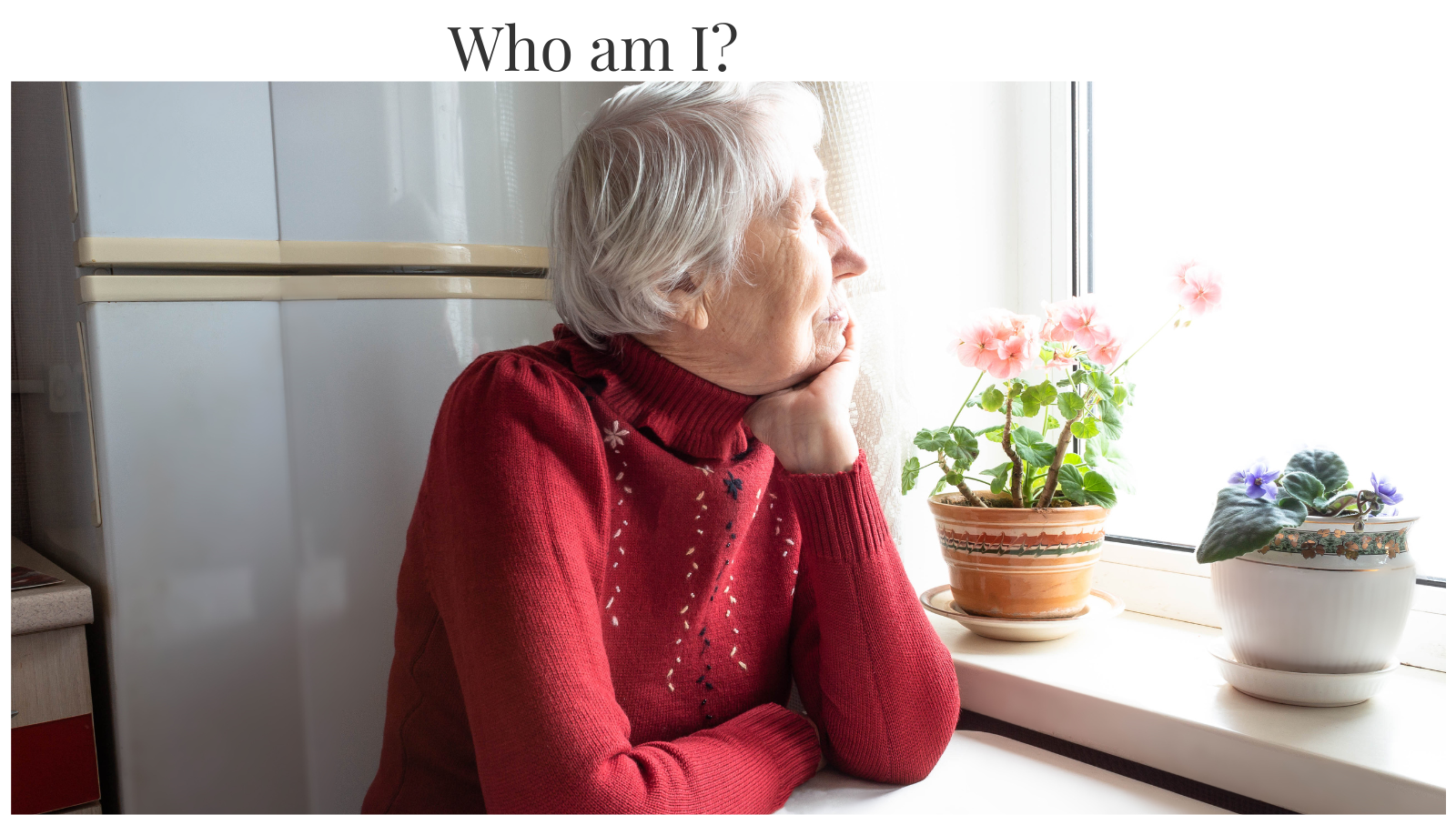
Identity
As a retirement coach, a question I always ask clients is:
When you retire, who will you be when no longer defined by your job?
Most people pause for quite a long time before answering.
If that question gives you pause too, it may be worth thinking through with someone.
You are welcome to text me for a free 15-minute conversation, with no obligation.
Jon Glass: 0409 116 766