Let’s Help Prepare you for YOUR Retirement:
No two retirements look the same - yours won't either. Below, you'll find a selection of articles written to help you put words to something you might not have realised needed articulating. Sometimes the hardest part isn't finding the answer; it's not knowing there was a question worth asking in the first place.
If you'd like a feel for how I think about retirement - or a sense of what working together might actually be like before you commit to a call - start with the blog. It's the closest thing to sitting in on a conversation with me.
Interesting or interested?
Why is it that some people reach retirement and want to be happy, expect to be happy, think they deserve fulfilment, yet can’t find it. So often it comes down to self-reflection, although having a retirement coach can help.
Here is a simple topic to reflect on.
Have you ever thought about the difference between being an interested person and an interesting person in your retired life?
Maybe you haven’t and that’s fine. But in retirement you can reflect deeply on this question and it is worth the trouble. Let’s deconstruct the difference.
What is an interested person?
Let me answer in the context of meeting someone for the first time, say at a party. I think being interested comes down to:
· Being a good listener
· Showing that you are curious about others
· Taking risks and not being afraid to fail
I’m sure you have met people like that. Perhaps that is you.
If you want to know more about how to re-imagine retirement, please download the free resource at
https://www.64plus.com.au/free-resources
What is an interesting person?
Again at the party, what makes you a person that people want to spend time with? I’m guessing you want to be that person. Personal confession: I do.
It may come down to:
· Telling good and amusing anecdotes
· Laughing a lot
· Showing that you are engaged in worthwhile activities in retirement (e.g. voluntary work)
There is a caveat.
However, what you find interesting to talk about may not interest others!
If you have thoughts to help with these lists then email me jon@64plus.com.au
Conclusion
Now it gets interesting.
Back at that party, if you show that you are interested then you become an interesting person. But the logic won’t work in the other direction always: you can be a fascinating raconteur yet show no interest in other people.
Finally, why can retirement feel strange? I think it’s because you have more time to engage with the world and ask questions, and that is a good thing.
A surprise in the first year of retirement
Many people are surprised to find that retirement can feel unsettling, confusing, or even slightly empty in the first year. Even though you may feel everything is in place, retirement can still challenge.
Retirement: you won’t know what it is like until you get there.
I’ve been using that line ever since I started my retirement coaching business, 64PLUS, 12 years ago—and it still rings true.
Here are three strange and unexpected things that surprised me when I retired:
1. Retired life swings between busy and not busy.
Some days are full. Others feel almost timeless.
Work used to be relentlessly busy; retirement creates space—to think, reflect, and notice things about yourself, your family, and your life that you may have rushed past before.
2. Getting better no longer needs a goal.
At work, goals mattered. They motivated us—and impressed the boss.
In retirement? Improvement can simply be about enjoyment.
Learning a language, for example, doesn’t require mastery—just curiosity, immersion, and fun.
3. Your working friends are still… working.
Monday to Friday, they’re busy—just as I was when I worked.
If it’s hard to catch up, don’t take it personally.
Be creative about when and how to connect.
I’m curious:
Do any of these three things surprise you? Do any resonate with you?
If so….
Please reach out at https://www.64plus.com.au/contact and let’s have a chat.
Jon Glass Retirement Specialist
Why Decisions Feel Harder After Retirement (And Why That Matters)
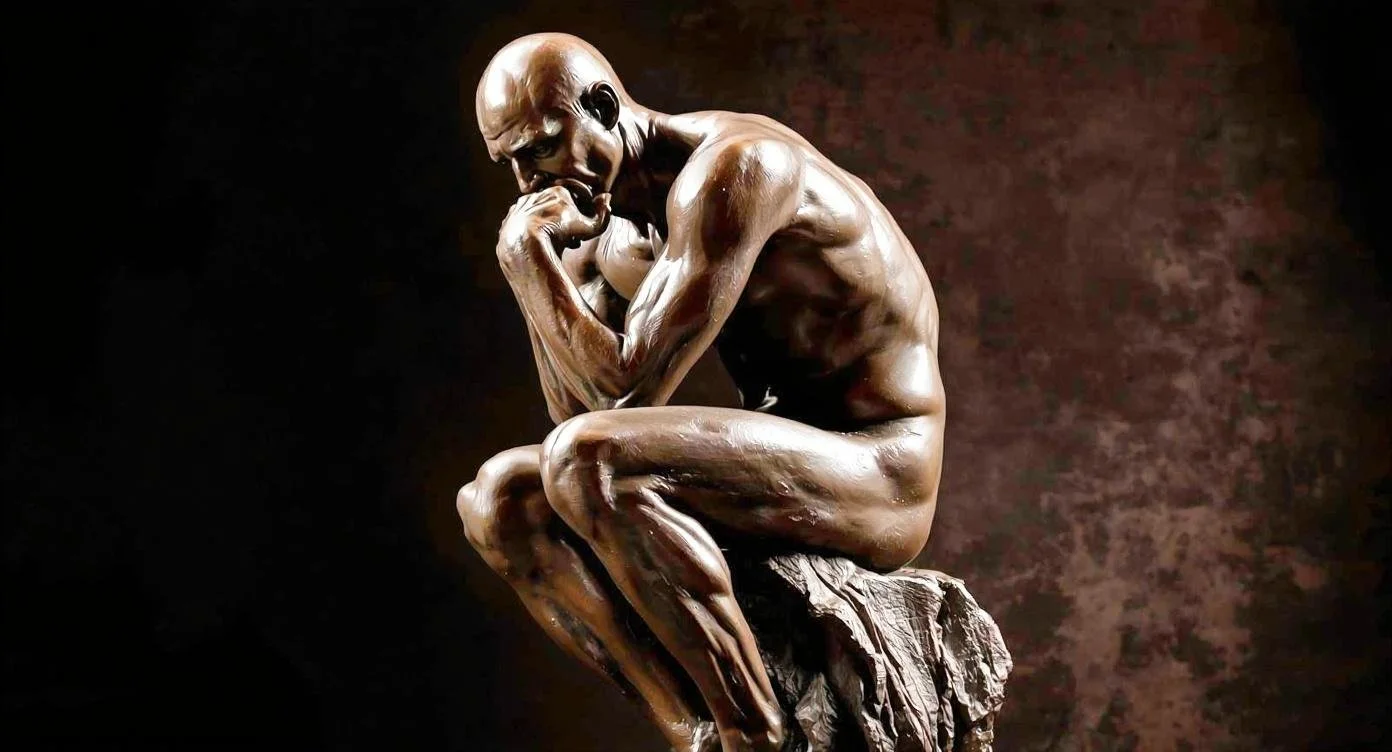
People are often surprised to find that retired life can feel unsettling, confusing or even empty during the first year; after the honeymoon phase. They might miss the structure of their worklife. There is a false assumption at play. What is it?
Many people assume that retirement will simplify life for them. That isn’t always the case, and here is an example. Surprisingly, many people discover that decision-making gets harder in retirement once they have left the environment of work. Without the deadlines, structure and hierarchy (the boss) of work, decisions can seem difficult. To put this differently: why do so many people feel lost as they enter retirement and, in particular why does decision-making feel so STRANGE when you retire?
But this article has good news! If looked at properly, decision-making can become simpler in retired life. But that requires thinking and that is where a retirement coach can help, and here are some free resources for you:
https://www.64plus.com.au/free-resources
Back to the essence of this blog.
Do you remember those difficult decision days in your work life? I feel sure you can recall them, but let me prompt your memory. Here are four ways that perhaps assisted you to make a decision:
1. Trial and error
2. Asking help from colleagues
3. Diligent research
4. Clarification of goals
All four are valid ways to progress, and they can even be useful in combination.
But here’s the rub, in order of one to four:
1. The boss may not like you doing that
2. You may suffer “dumb question syndrome” i.e. be too shy to ask
3. Research takes time, maybe time you didn’t have
4. Clarity is good, but sometimes the perfect can be the enemy of the good
At first glance, retirement seems to remove these obstacles, but it’s more complicated. Is there an answer to this complexity? Yes.
Here’s the good news. In retired life, when making decisions about the most fulfilling retired life for you, all those objections vanish as:
1. You don’t have a boss
2. You can ask ChatGPT; it will be kind
3. You have the time
4. You can go as deep as you choose.
But as retirement is unfamiliar territory you may suffer the opposite - which is difficulty in making decisions. Does this article help you understand why decisions may feel harder after retirement? Are you thinking about how YOU will make decisions concerning your retired life? If this resonates with you then reach out for further discussion to
https://www.64plus.com.au/contact.
To continue. A fulfilling retirement is more than a slogan. It requires understanding and development.
Many people discover that decisions in retirement feel strangely different from those in working life. Without the familiar structure of a job or career, even simple choices can become surprisingly difficult.
This is one of the areas where a retirement coach can help — by providing perspective, structure and templates for discussion to aid your own self-reflection. Many clients come to 64PLUS because they sense that retirement is not the simple formula that our society believes it to be.
If you would like to explore your retirement transition, you are welcome to contact me here:
https://www.64plus.com.au/contact
Moreover, if this idea resonates with you, feel free to email me jon@64plus.com.au:
I read every response. I look forward to hearing about your own plans for a re-imagined and fulfilling retirement.
This blog is part of a series on decision making in retirement. Here is the second instalment:
Jon Glass Retirement Coach
I was quoted in an excellent Australian Financial Review article written by Lucy Dean, below are the highlights….
It’s deceptively simple but one of the first and clearest signs you’re ready to retire is that you don’t enjoy work any more, says Jon Glass, the founder of retirement coaching firm 64Plus.
You might feel dread on a Sunday night, and every additional meeting that pops into your calendar makes you groan.
“The fountain of passion starts to dry up,” Glass says. “People get sick and tired of workplace bureaucracy … and of dealing with unpleasant people, which feeds into a feeling of a lack of control and choice.”
Glass says it’s worth mapping out what you get out of your job, and how you plan to replace that in retirement.
For example, if you’re concerned about leaving behind a routine, a sense of relevance and an identity, think about how you can replace those elements in retirement. One way to do this is by thinking about your “retirement business card” – what would you like to write on it?
Glass encourages retirees to identify at least one habit or skill that they wish to acquire. “One sign [of readiness] is thinking about what you might achieve on the other side,” he says. “You might have longed for years to give something back to your community through volunteer or charity work. Or there may be some hobby that’s been in your mind for years.”
Glass explains: “There is a stereotype where the wife’s been the homemaker and the husband retires. On that first Monday, he turns to his wife and says, ‘So what are we doing today?’ and her answer is, ‘What are you talking about? This is the day I’m with my friends.’”
For couples in this situation, it’s likely that the former “workaholic” needs to find not only ways to fill their time, but also a sense of purpose and relevance. This could be becoming a board member of a charity, or finding a way to serve the community and still feel relevant.
“But you have to put your finger on it to recognise that need,” Glass says. “There’s no point wandering around in a circle thinking, ‘What’s next?’ You have to recognise that need [for relevance] and act upon it.”
For many couples, the COVID-19 lockdowns offered a crash course on how to survive constant proximity with family members. If you and your partner figured out strategies, routines and hobbies that allowed you to spend a lot more time with each other, without friction, that’s a sign you’ll be able to navigate a new way of living together in retirement, Glass says.
If you haven’t spoken to your kids before you retire, it’s a sign you’re not ready, or at the very least you could run into some misunderstandings.
This is particularly the case if they have kids and were counting on you for care, or if you imagined you’d be spending more time with the grandkids than works for their schedule.
“Someone said to me recently, ‘I’m open to all offers and requests from my children as long as it’s not ‘every’,” says Glass.
That is, not every week, every day, or every month. “Caregiving has got to be discussed openly and honestly, and the balance – which may change – has to be established, so all people feel comfortable.”
A simple framework for thinking about retirement.
Retirement is often discussed in financial terms. But the deeper challenge is psychological and emotional: how to think about structure, identity and meaning once your working life ends.
You may also enjoy the related blog below:
Retirement planning is about more than money
So, you’re ready to retire, or perhaps you’ve recently done so.
Most retirement planning focuses on money and whether you have saved enough to stop full-time work. But as many retirees discover, a financial plan is not a life plan.
What many pre-retirees fail to consider, and I include myself here, is what our daily life will look like in retirement. What will make us jump out of bed in the morning, knees and joints permitting, with a sense of purpose?
Some people adjust easily, but for others, especially those who’ve had a demanding career, it can feel like falling into a void. They’ve spent so much energy getting to the finish line, they’ve forgotten to think about what comes next.
After the honeymoon period, perhaps an overseas trip or a victory lap of Australia in a van, many retirees begin to wonder, like the old Peggy Smith song, “Is that all there is?”
The answer is no. Here are some tips you might like to consider, preferably well before you retire.
Redefine your sense of purpose
Retirement these days is a profound life transition – right up there with leaving home as a young adult and the birth of your first child. Now that we’re living longer, this new phase of life could last 30 years or more, so it deserves careful thought and, ideally, some personal stock taking.
Initially, you may worry about getting bored or being viewed by the world as irrelevant, especially if your identity and sense of purpose have been defined by a demanding career. This isn’t helped by living in a society where the first question asked in social gatherings is often, ‘What do you do?’
It can take time and thought to make the psychological adjustment to retirement, and a period of reflection to find a new sense of purpose aligned with your personal preferences and values. It may also help to talk to friends and family who have made the leap, or to seek the help of a retirement coach or counsellor.
Create a routine
At first, it can be blissful to wake up without an alarm or a to-do list, with endless time to do as you like. Some people may be happy to go with the flow and lie in, play a round of golf, potter in the garden, and settle on the couch for a night in front of the TV, but retirement coach and founder of 64plus Jon Glass says most people need some sort of structure and routine.
To do this, he says to think about what activities you enjoy and what gives you a sense of purpose. Do you like to be active outdoors, have a full social calendar, a chance to ‘give back’ by mentoring or consulting work, or do you crave time alone to perfect your guitar playing?
Then you can build a routine, allocating time to certain activities, prioritising the things that are most important to you. Personally, I like to get out of bed in the morning knowing what the day holds, without having to make endless decisions.
Plan time alone and together
This one’s for couples who suddenly find themselves sharing time and space. Glass says most people don’t think about this aspect of retirement until it becomes an issue. “Some couples may like to hug 24 hours a day, but I haven’t met them; most people need a bit of space.”
The Japanese coined the term ‘wet leaf syndrome’ for salarymen who retire and suddenly feel lost, so they follow their wives on their daily rounds like a wet leaf stuck to the sole of her shoe. Gender stereotypes aside, no one likes a wet leaf, so it’s important to get a life.
Do you have somewhere you can be spatially separate, perhaps the garden, a home office or even a shed, at certain times of the day? How much time should you spend together and how much time apart pursuing your own interests? Glass says this needs continual negotiation.
Try new things
If you’re anything like me, you have a list of things you would like to do ‘when I have time’. For me, it’s learn the piano, improve my French, do more creative writing and go on multi-day walks.
Everyone’s list will be different, but it’s good to push yourself outside your comfort zone to learn new things. Making time for new activities can give you a new sense of purpose and achievement, but it’s also a great way to keep physically active, make new social connections and stimulate your brain.
Build social connections
One thing people often miss after they leave full-time employment is chatting to their work colleagues and a sense of belonging to a group of like-minded people. Relying on your partner’s social circle is unlikely to be fulfilling for long (and might get on their nerves!).
If you’ve neglected your social life outside work, retirement can be a wonderful opportunity not only to explore new activities but to develop new social networks with people who share your interests. For example, you might join an art group or community choir, sign up for a language course at a community college, volunteer with your local Landcare group or join an ocean swimming club.
I’ve also found that pushing yourself to make one social connection often leads to other opportunities to connect. Someone at book club might suggest going along to a writers’ group at your local library. Before you know it, you’ve built a new social network in your local community.
Make space for self-reflection
While retirement offers the opportunity to do more of what you love, there’s also an argument for giving yourself permission to do absolutely nothing. Or at least that’s what it might look like to a casual observer. Time to listen to the birds, daydream or let your thoughts drift.
Time to think can bring clarity to issues you are facing or plans for the future. Often, the thoughts that bubble to the surface are things you may have neglected when life was hectic.
Glass argues that time is a gift and that retirement is an opportunity to reflect and right wrongs. One thing he finds that resonates with clients is thinking about difficult conversations with family or friends, and how to go about them.
“There are some simple ground rules. One is to make sure you both feel in a safe space. Make sure you are clear in your objectives. And make sure you’re having the conversation at the right time because domestic arguments are usually crucial conversations at exactly the wrong time,” he says.
In the heat of the moment, experts generally advise it’s important to pause to reflect, then respond, don’t react. Easier said than done, but it’s worth trying.
Make peace with ageing
Ageing, cognitive decline and death are a part of life, but you wouldn’t know it from all the advice on how to turn back the clock. From fad diets to cosmetic procedures, the futile quest to look young is more likely to raise your stress levels and hasten your untimely demise.
As I’m sure readers already know, the current advice for healthy ageing is a healthy diet, exercise, low alcohol intake, social connection, mental stimulation and a good night’s sleep. So do your best, stop worrying and enjoy the next chapter of this wonderful life!
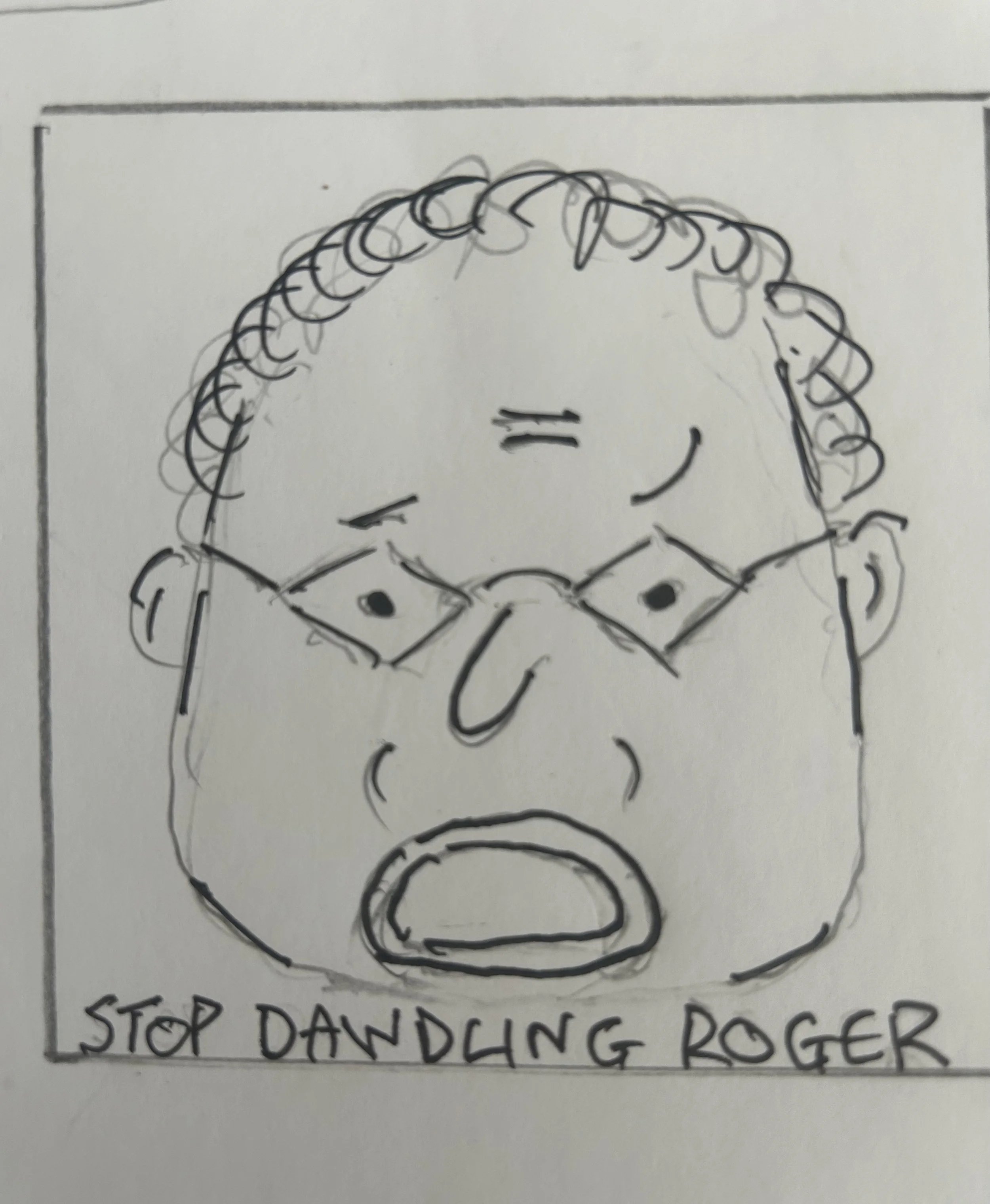
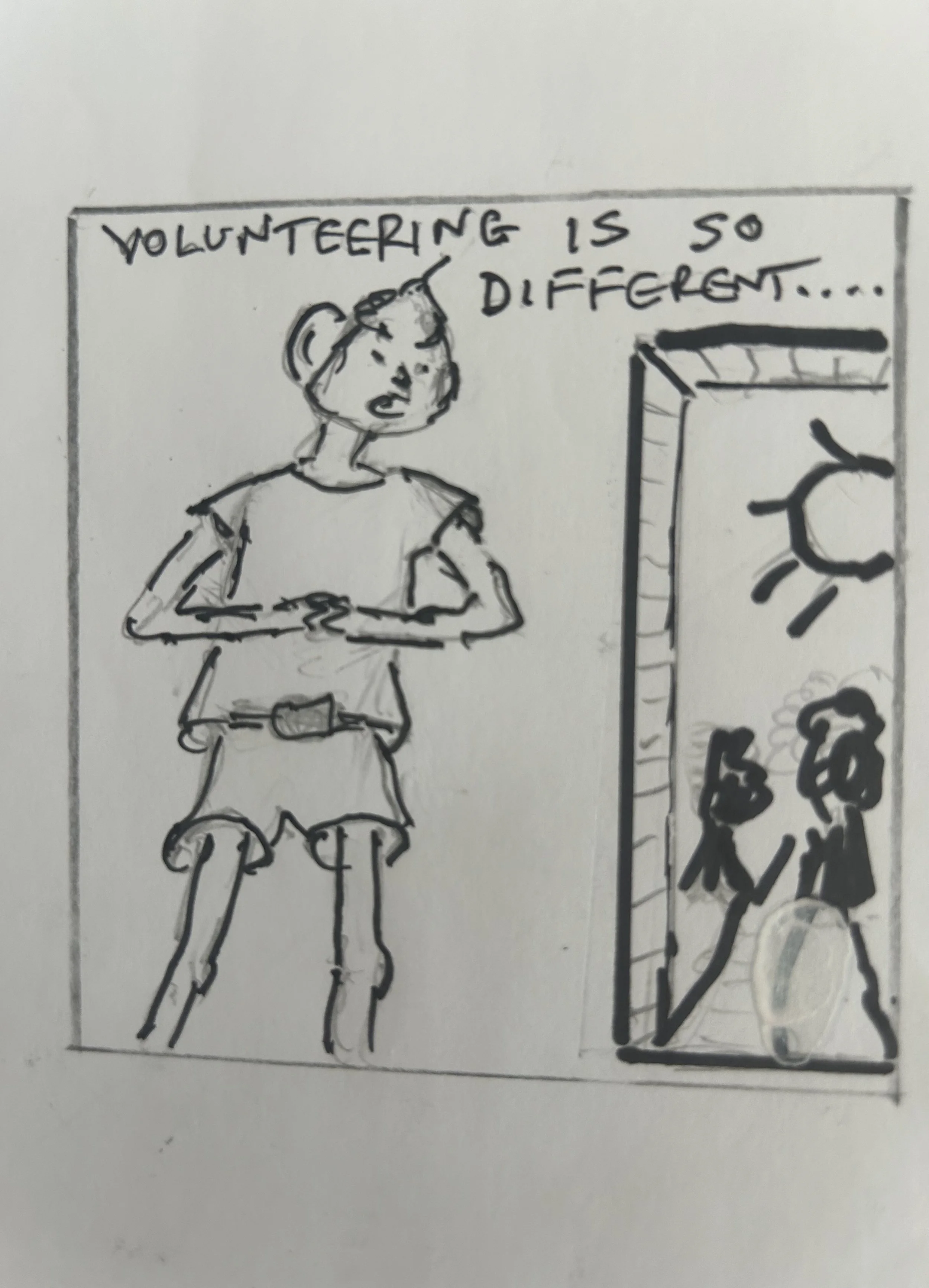
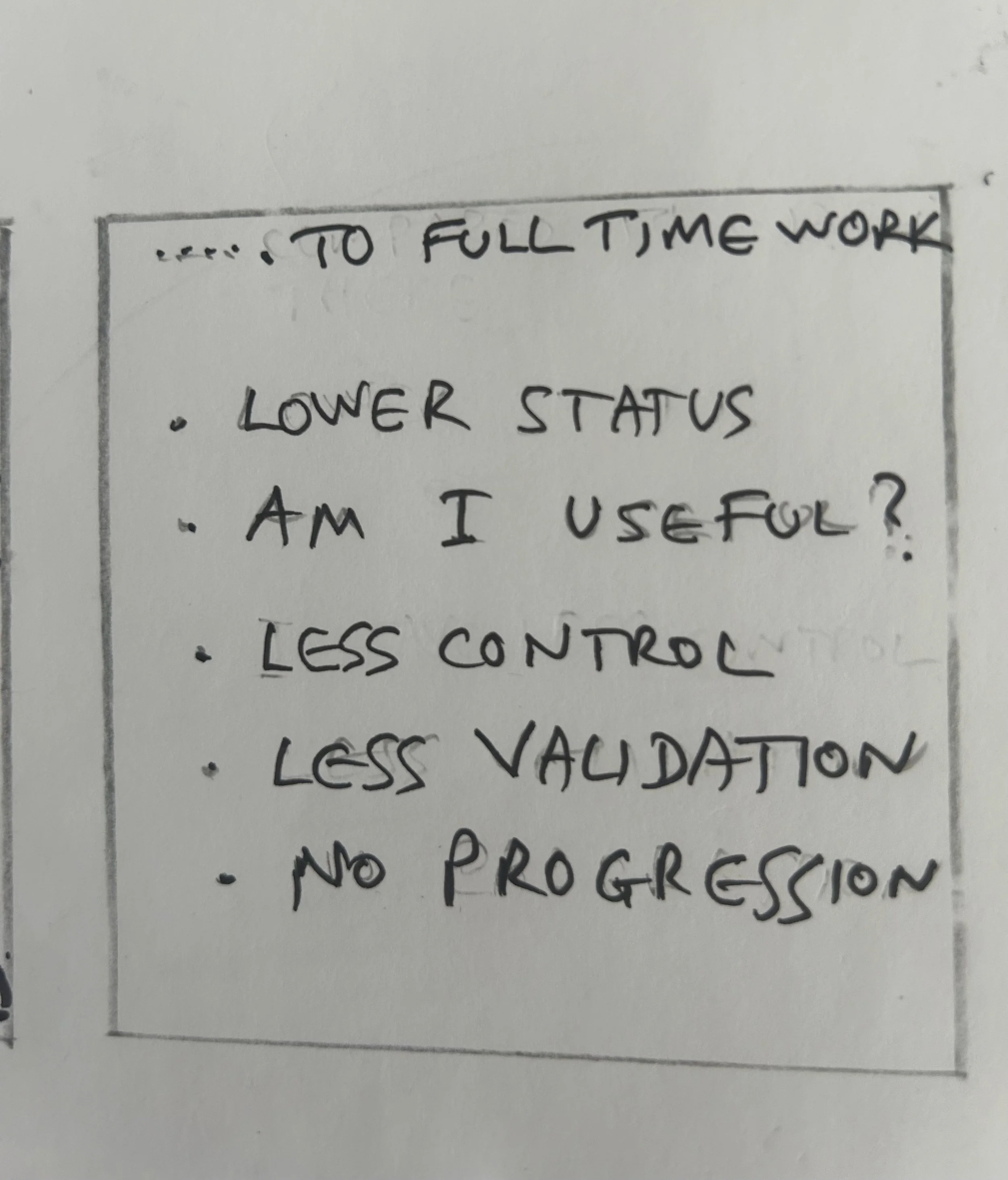
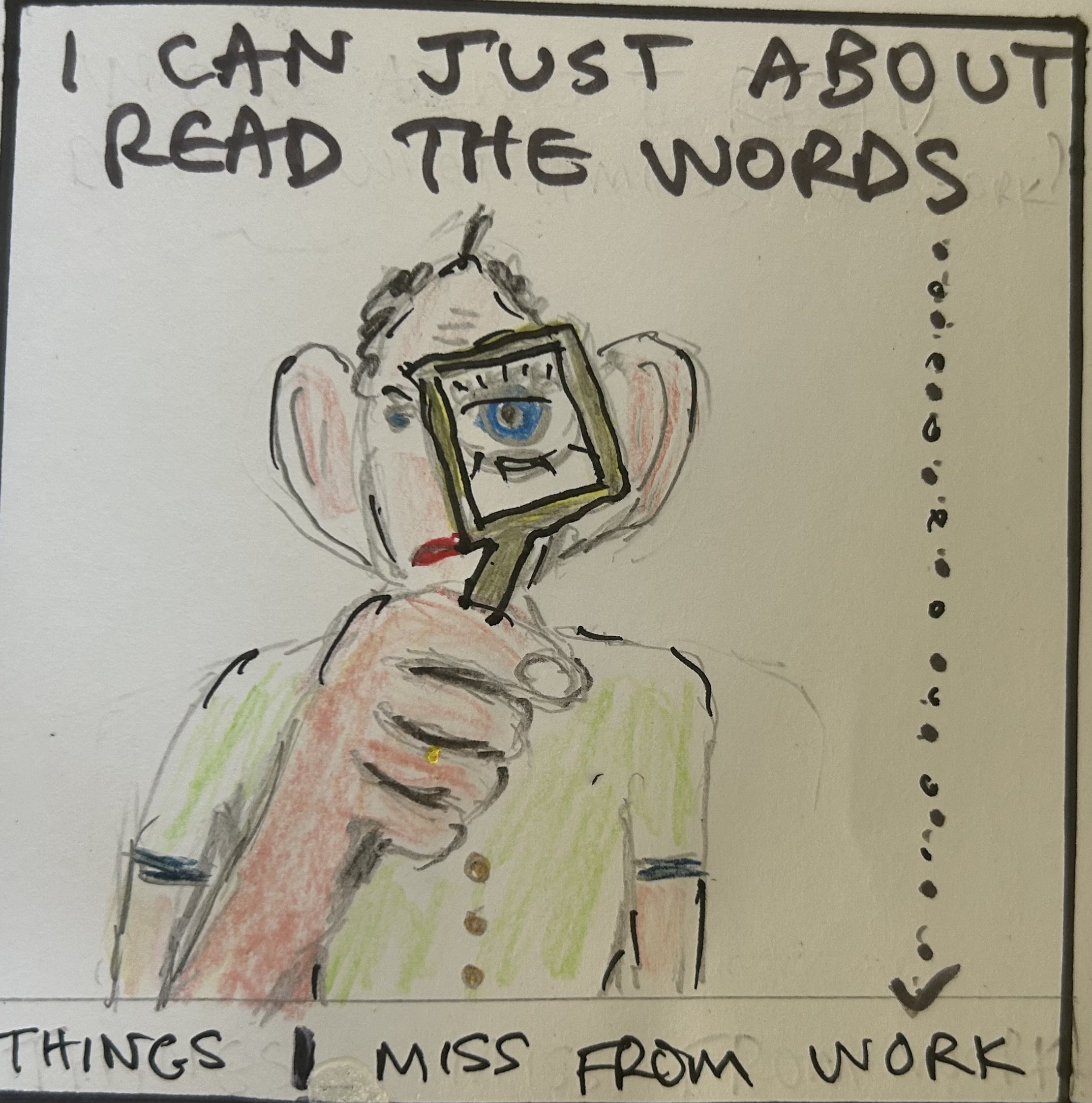
I was quoted in the SMH Good Weekend today. Wet leaf syndrome!
Overall, life expectancy has been increasing steadily over the years, with the exception of the dip during the 2020-2023 COVID period. If someone takes early retirement in their 50s, they’re likely to have decades more to live. That could be more than 10,000 days, which is a hell of a long time to fill, advises retirement coach Jon Glass, especially if you don’t have good role models, with perhaps grandparents retiring and then dying straight afterwards, or parents not adjusting well. The biggest struggle he sees is the loss of identity after a lifetime of work. A high-level doctor client confessed to him his deepest fear: that it was his job that made him interesting and without it he’d be nothing.
“But I do find that a very important consideration is whether you want to stay mega-busy and continue doing 1000 things at once when you retire early, or whether you want a much calmer life,” says Glass. “It’s so important that people give that some thought and work out what kind of person they are.
“It’s also vital, if you have a partner with whom you’ll be sharing time and space, to make sure you do a lot of communicating and planning about what you’re going to do. You might have only seen each other in the evenings and at weekends, but now it’s 24/7. So you need to make sure you have a room to sometimes retreat to, or a door you can close. Men need to avoid what the Japanese call nure ochiba, or ‘wet fallen leaf syndrome’, where they follow their wives around everywhere like a leaf stuck to a shoe.”
Re-imagine your retirement with these top tips for planning your meaningful retirement.
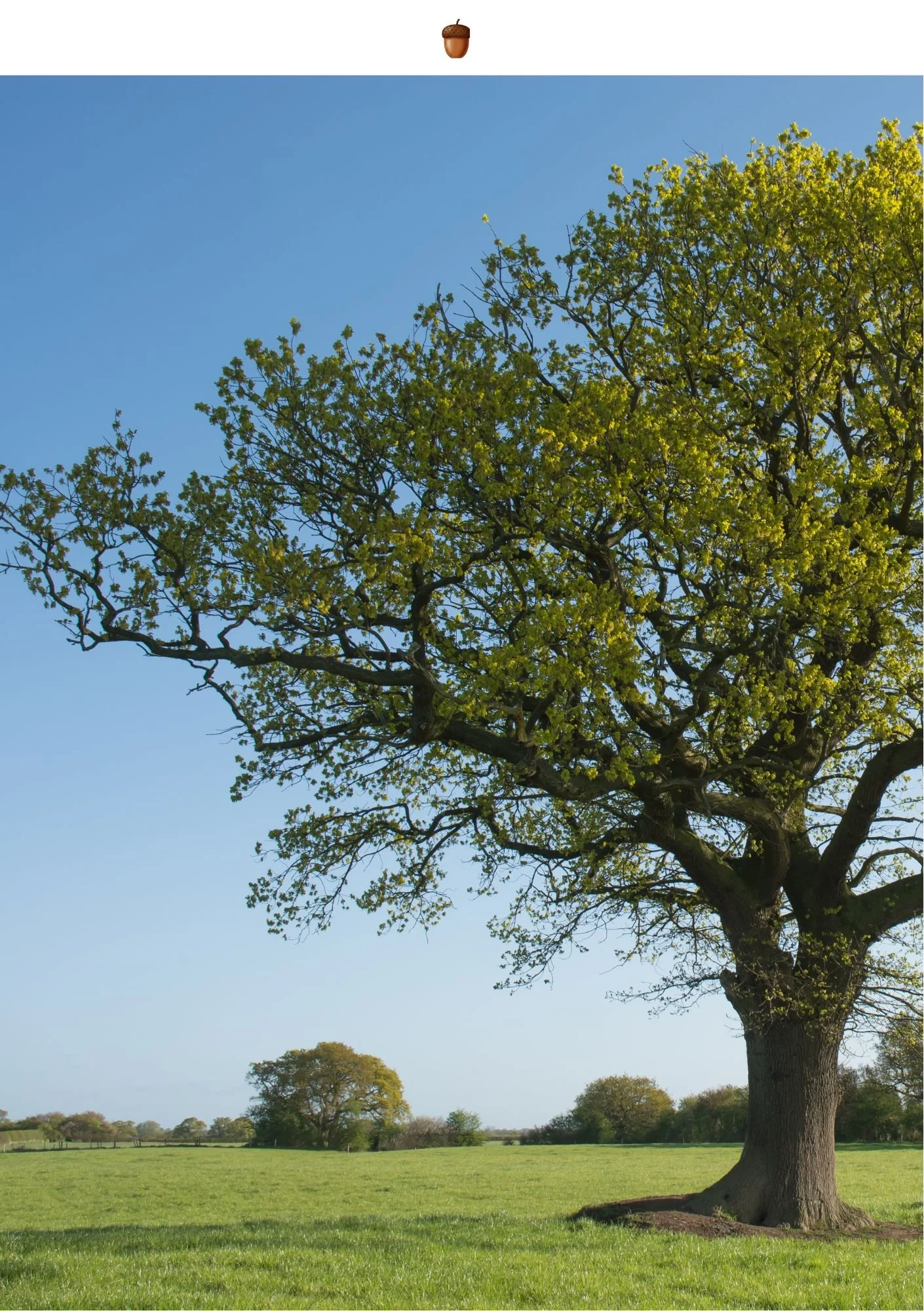
There is an old saying that mighty oak trees can grow from little acorns.
From an acorn (or two) of planning you can make an oak tree of your retirement.
How can you achieve that?
Introduction
Well dear reader, you almost certainly possess these personality traits:
· Imagination
· Openness to new experiences
· Curiosity
The question is then: how to use them as the foundation of your retired life? But first, a small detour.
A client of mine was a writer by trade, formation and nature. What I learned from her is that writers have a strong sense of imagination. But you don’t have to be a writer in order to have imagination: we all have it. So why is imagination relevant to retirement?
Imagination: Your oak tree
Why settle for a dull 30 years of retired life? Your journey to retirement should be built around the phrase: reimagine your retirement, in order to make it BIG. To grow the oak tree of your retirement you employ your imagination.
How does openness to new experiences come into the picture?
Openness to new experiences: Nourish that acorn
Retirement is one of life’s major transitions You’ve finished your work life, and with that, the routine that sustained you for decades. In retirement, you can embrace the unknown, try new projects, and even fail and try again. I cited 30 years previously, therefore you will have time on your side.
That couples very strongly with another characteristic called curiosity.
Curiosity: Finding ways to grow your oak tree bigger
Because you are reading this article, you are already displaying your curiosity. Curiosity will be the engine that drives your openness to new experiences which then lights the cauldron of your imagination. In addition, by being curious, you will discover amazing facts about yourself and the world you live in.
How exciting is that.
You will need help
However it’s not enough to KNOW these traits. You need to activate them, and for that help is essential. Why? Because for this activation you need to have a structure and - if you haven’t retired before - you won’t know what that structure can look like.
Spoiler alert: help comes from a retirement coach.
Conclusion
Let’s repeat the three personality characteristics that are embedded in your personality:
· Imagination
· Openness to new experiences
· Curiosity
My question to you is this. Why not exploit these three to imagine your amazing retirement: your own oak tree?
Reach out to 64PLUS.com.au for help.